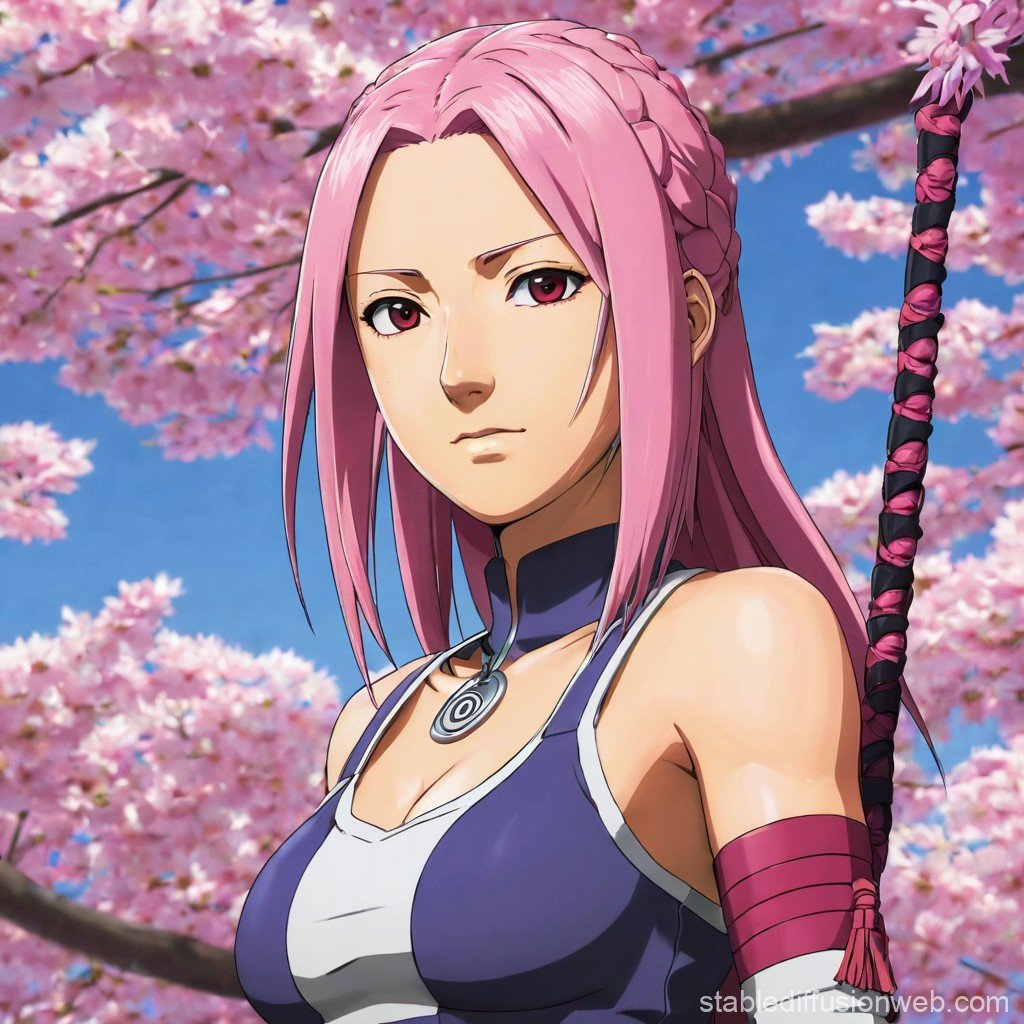
Sakura Haruno. For many fans of Masashi Kishimoto's iconic Naruto series, her name evokes a wide range of emotions and discussions. She is a core member of Team 7, a brilliant medical ninja, and eventually, a powerful kunoichi whose journey is far more nuanced than initial impressions suggest. Often misunderstood and at times overshadowed, Sakura's story is a compelling narrative of perseverance, self-discovery, and profound strength.
This Super Pillar hub aims to peel back the layers of Sakura Haruno, moving beyond surface-level critiques to explore her deep character development, significant contributions to the ninja world, and lasting legacy. From her humble beginnings as a genin with an unrequited crush to her emergence as one of the Hidden Leaf Village's most formidable shinobi and a beloved mother, we'll connect you to every facet of what makes Sakura Haruno a truly complex and evolving figure in the Naruto universe.
The Genesis of a Kunoichi: Early Life and Team 7 Dynamics
When we first meet Sakura, she presents as an ordinary girl, especially when contrasted with her two teammates, the jinchuriki Naruto Uzumaki and the last Uchiha, Sasuke. She didn't carry the heavy burdens of a tragic clan history or a demon fox sealed within her, though she did face bullying in her youth. Her early ambitions were largely driven by a strong infatuation with Sasuke, often leading her to dismiss Naruto, despite being the object of his own affections.
However, even in these early stages, Kakashi Hatake, their sensei, recognized her latent talent, specifically her excellent chakra control. It was during the grueling Chunin Exams that a pivotal moment ignited a fierce resolve within her to step up and improve her ninja abilities, moving beyond relying solely on her teammates. To fully understand her formative years and the challenges she overcame early on, and to deeply analyze the complex dynamics of Team 7 and her initial role within it, our dedicated guides provide a comprehensive look.
The Voice Within: Understanding Inner Sakura and Her Emotions
A unique and often humorous aspect of Sakura's character is "Inner Sakura" – a vibrant, often aggressive manifestation of her true emotions and opinions. This internal voice frequently served as comic relief, allowing readers and viewers a glimpse into the unfiltered thoughts of a teenage girl navigating a world of ninjas and complex relationships. While initially played for laughs, Inner Sakura also highlighted her emotional depth and the internal conflict she often suppressed.
Her journey through love, friendship, and the trauma of Sasuke's defection brought forth a spectrum of emotions that pushed her beyond a simple comedic role. To delve into the intriguing concept of 'Inner Sakura' and her emotional depth, explore our detailed analysis of her inner world.
From Apprentice to Master: Sakura's Evolution as a Medical Ninja
The turning point in Sakura's character arc arguably arrived with Sasuke's defection at the end of Part I. Feeling powerless and unable to assist either Naruto or Sasuke, she made a life-altering decision: to apprentice herself to the legendary Fifth Hokage, Tsunade. This marked the beginning of two-and-a-half years of relentless dedication, not just to become stronger for herself, but with an unwavering goal to bring Sasuke home.
Under Tsunade's tutelage, Sakura transformed, blossoming into one of the most skilled medical ninjas in the shinobi world. She mastered potent healing abilities, capable of mending severe injuries and even performing complex surgeries. To ensure her survival on the battlefield, she also developed superhuman strength, a technique achieved by concentrating chakra in her fists. This training culminated in the awakening of the Byakugō Seal after three years of chakra accumulation, a jutsu considered the pinnacle of chakra control, granting her immense healing and combat power. For a comprehensive overview of the intricate journey of her medical ninja training under Tsunade, and to truly appreciate the full scope of Sakura's remarkable strength and signature jutsu, our in-depth guides await your exploration.
Battling Beyond the Battlefield: Key Contributions and Impact
Sakura's enhanced skills quickly made her an indispensable member of Team 7. Her contributions ranged from rescuing Gaara from the Akatsuki to her pivotal role in defeating the formidable Akatsuki member Sasori, showcasing both her tactical intelligence and raw combat power. As the series progressed, she also grew incredibly protective of Naruto, understanding the immense hardships he faced as the vessel for the Nine-Tailed Demon Fox.
During the climactic Fourth Great Ninja War, Sakura was on the front lines, not just as a medical ninja saving countless lives, but later fighting alongside the revitalized Team 7 against the monstrous Ten-Tails. Her presence alongside Naruto and Sasuke during their most critical battles cemented her status as a crucial force in the world's salvation. Discover how Sakura's actions and growth profoundly impacted the overarching Naruto narrative by diving into our dedicated pillar.
Threads of Connection: Relationships and Romance
Sakura's relationships form a central pillar of her narrative. Her initial, almost obsessive, infatuation with Sasuke, coupled with her frequent dismissals of Naruto, defined much of her early character. Yet, this dynamic evolved considerably. Her love for Sasuke transformed into a mature, unwavering resolve to save him from darkness, even when it meant facing him as an enemy.
Post-war, Sasuke finally acknowledged her feelings, a poignant moment before his departure on a journey of atonement. Their eventual marriage and the birth of their daughter, Sarada Uchiha, showcased a beautiful culmination of their complex bond. To understand her most significant relationships, including the nuanced romance with Sasuke, our dedicated guide provides a thorough exploration.
Behind the Panels: Creator's Intentions and Design Philosophy
Masashi Kishimoto, Naruto's creator, has been candid about his initial struggles with designing female characters, admitting he didn't initially intend Sakura to be the main heroine. He conceived her as a "normal girl," "somewhat irritating" but well-intentioned, aiming to reflect realistic teenage insecurities. Kishimoto found Sakura and Sasuke among the hardest characters to draw, often finding it difficult to make her "cute." Her broad forehead, initially a distinguishing feature, was sometimes inadvertently overemphasized.
Her design evolved from a simple silhouette with active leggings in Part I to a "lively karate suit style" with a "Chinaesque feeling" in Part II, aiming for a more feminine and beautiful appearance as she matured. While an early plan for Sasuke and Sakura's romance existed, Kishimoto also deliberately introduced a "messy love triangle" with Naruto, though he stated romance wasn't the series' primary focus. For the fascinating insights into Kishimoto's original intentions and character design choices for Sakura, our detailed analysis offers unique perspectives.
A Mixed Legacy: Critical Reception and Fan Perspectives
Sakura Haruno's character has always been a subject of intense debate among critics and fans alike. In her early stages, she often faced criticism for being a stereotypical shōnen love interest, labeled "stereotypically girly," "useless," or merely serving as comic relief. However, her remarkable development in Part II, especially her acquisition of formidable medical and combat skills under Tsunade, was widely celebrated. Her increased agency and active participation in battles, such as her decisive encounters with Sasori and her mature reactions to Sasuke, significantly boosted her appeal.
Despite this growth, some scholars, like Yukari Fujimoto, have critiqued her portrayal as an example of Naruto's conservative depiction of women, arguing that her ultimate role leaned more towards "nurse" than "warrior," prioritizing love over ninja excellence. Fandom criticism persisted, with some accusing her of being emotionally unstable. It's also worth noting that Studio Pierrot, responsible for the anime, has been criticized for sometimes exaggerating her aggressive reactions, particularly toward Naruto, which potentially reinforced a "hysterical girl" stereotype and reduced her emotional complexity compared to the manga.
Despite these criticisms, Sakura has consistently ranked high in popularity polls, frequently appearing in the top ten in Weekly Shōnen Jump polls and reaching impressive spots in recent global Naruto and Boruto polls, even being the most popular female character in a 2023 global poll. To unpack the various criticisms and the evolving fan reception that have shaped her legacy, explore our dedicated article.
The Next Chapter: Sakura in Boruto and Beyond
Sakura's story doesn't end with Naruto Shippuden. In the sequel series, Boruto: Naruto Next Generations, she continues to play a vital role, not only as a formidable ninja but also as Sasuke's wife and Sarada Uchiha's loving mother. Her journey as a celebrated medical ninja even saw her open a mental clinic, further solidifying her commitment to healing and helping others.
Her presence in Boruto illustrates her enduring strength, wisdom, and commitment to the Hidden Leaf Village and her family. She stands as a pillar of support for Sarada, guiding her through the challenges of growing up as an Uchiha. To delve into her vital role in the next generation and her continuing journey in Boruto, our dedicated content provides all the details.
Embracing Sakura's Enduring Relevance
From her initial portrayal as an infatuated schoolgirl to her undeniable status as a powerhouse medical ninja, a loving mother, and a pillar of her village, Sakura Haruno's evolution is one of Naruto's most compelling character arcs. She embodies the themes of hard work, self-improvement, and the profound impact one individual can have through sheer determination and an unwavering heart. Her journey is a testament to the idea that true strength comes not just from raw power, but from resilience, empathy, and the courage to fight for those you care about. Her legacy will undoubtedly continue to inspire and resonate with fans for generations to come.